

Sermons & Guides
Join us in person or online at 9:00 am.
Our 10:45 am service is in-person only.

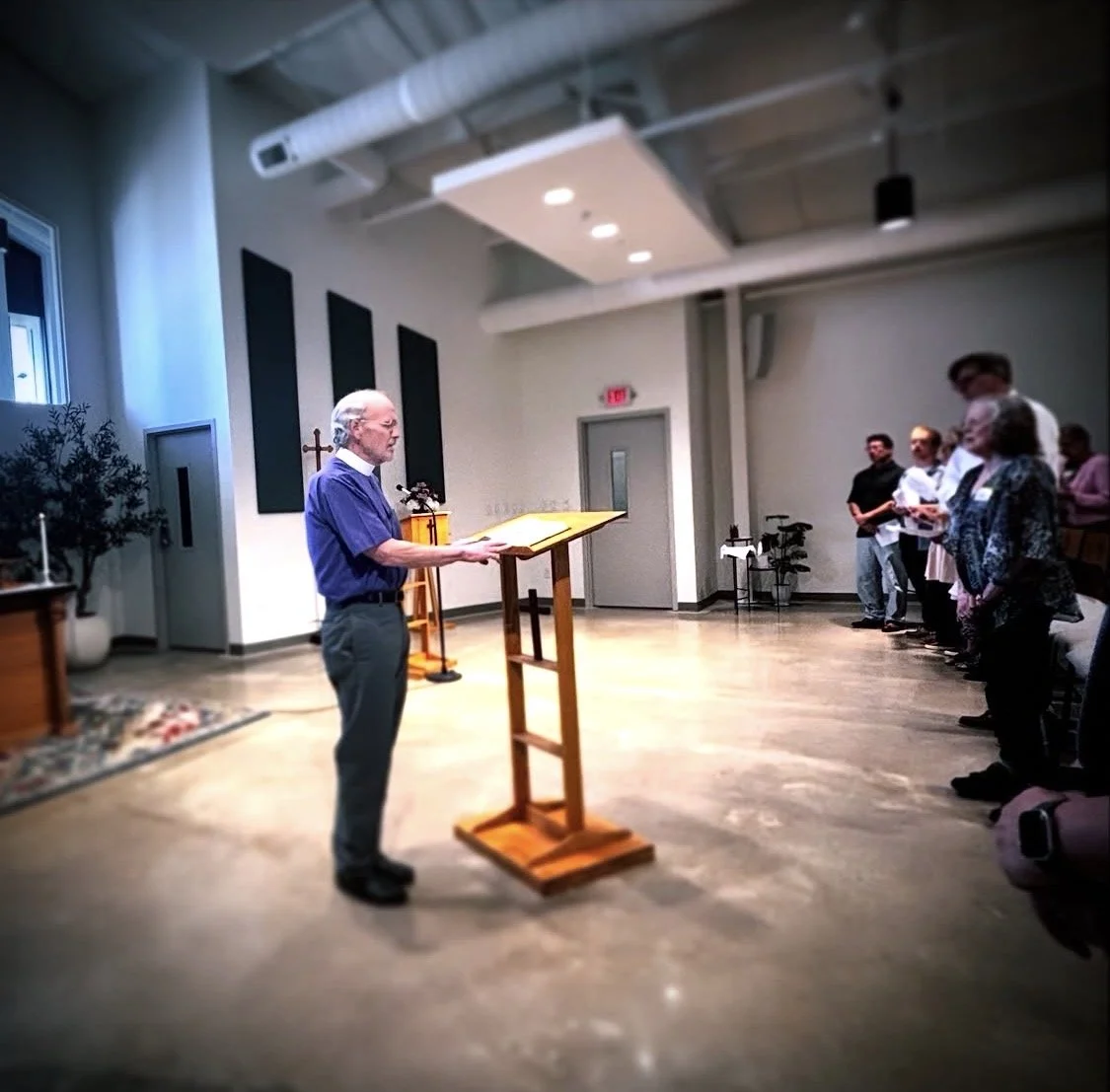
The Parable of the Unforgiving Servant
Matthew 18:21–35 contains the parable of the unforgiving servant, where Jesus teaches Peter that believers must forgive others limitlessly because God has forgiven them an immeasurable debt.

Truth in Love: Winning One Another Back
Conflict is inevitable, but followers of Jesus are called to handle it differently from the world around us. Through Ezekiel 33, Romans 12, and Matthew 18, Scripture gives us a purpose of restoration, a posture of genuine love, and a practical way to address broken relationships. The goal of Christian confrontation is not winning an argument, exposing another person, or proving ourselves right, but gaining our brother or sister. Because Christ has come toward us in grace and reconciled us to God, we can become a community where truth is spoken in love and grace is stronger than conflict.
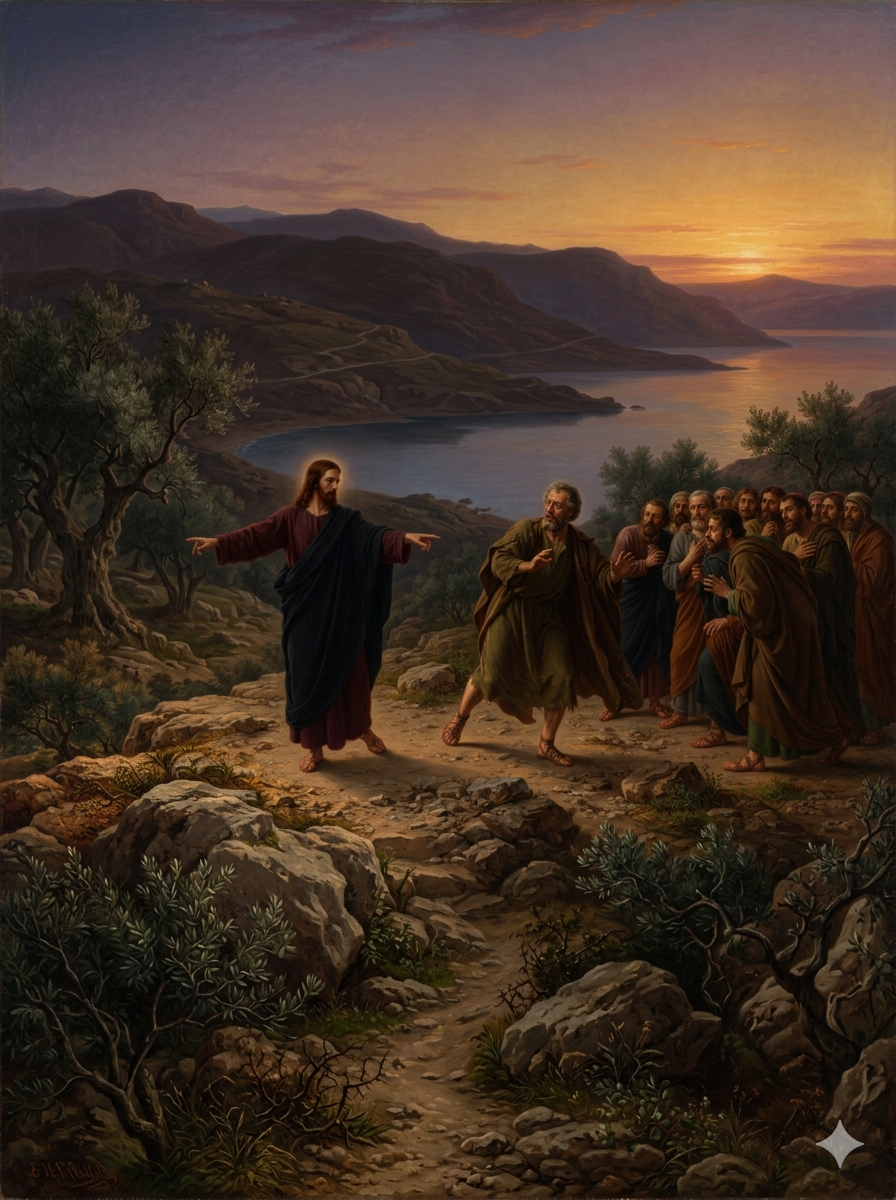
Lose Your Life to Find It
Jesus calls us to deny ourselves, take up our cross, and follow Him. Discover what it means to surrender our lives to Christ and live with an eternal Kingdom perspective.
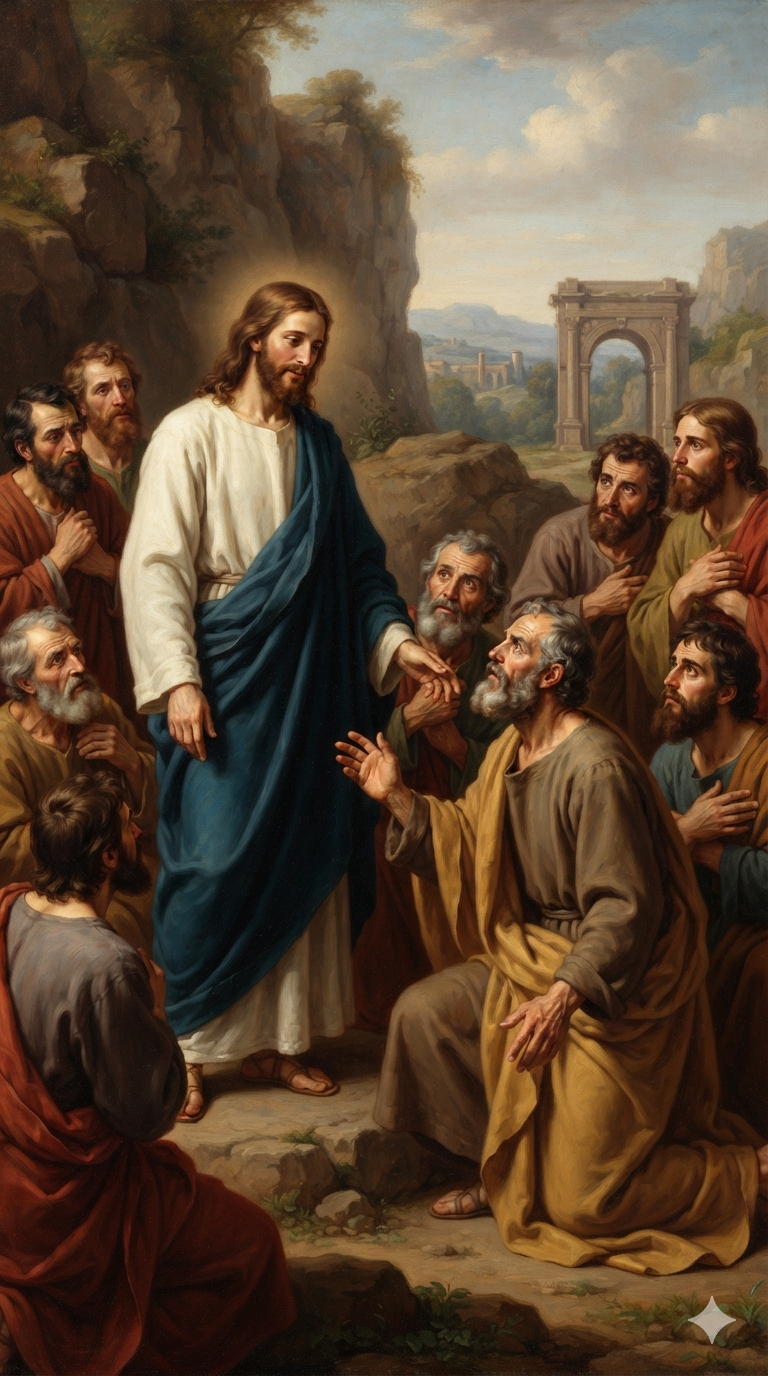
“Who do you say that I am?”
Jesus asks His disciples who people say He is. After hearing several answers, He asks them directly, “Who do you say that I am?” Peter answers that Jesus is the Christ, the Son of the living God.
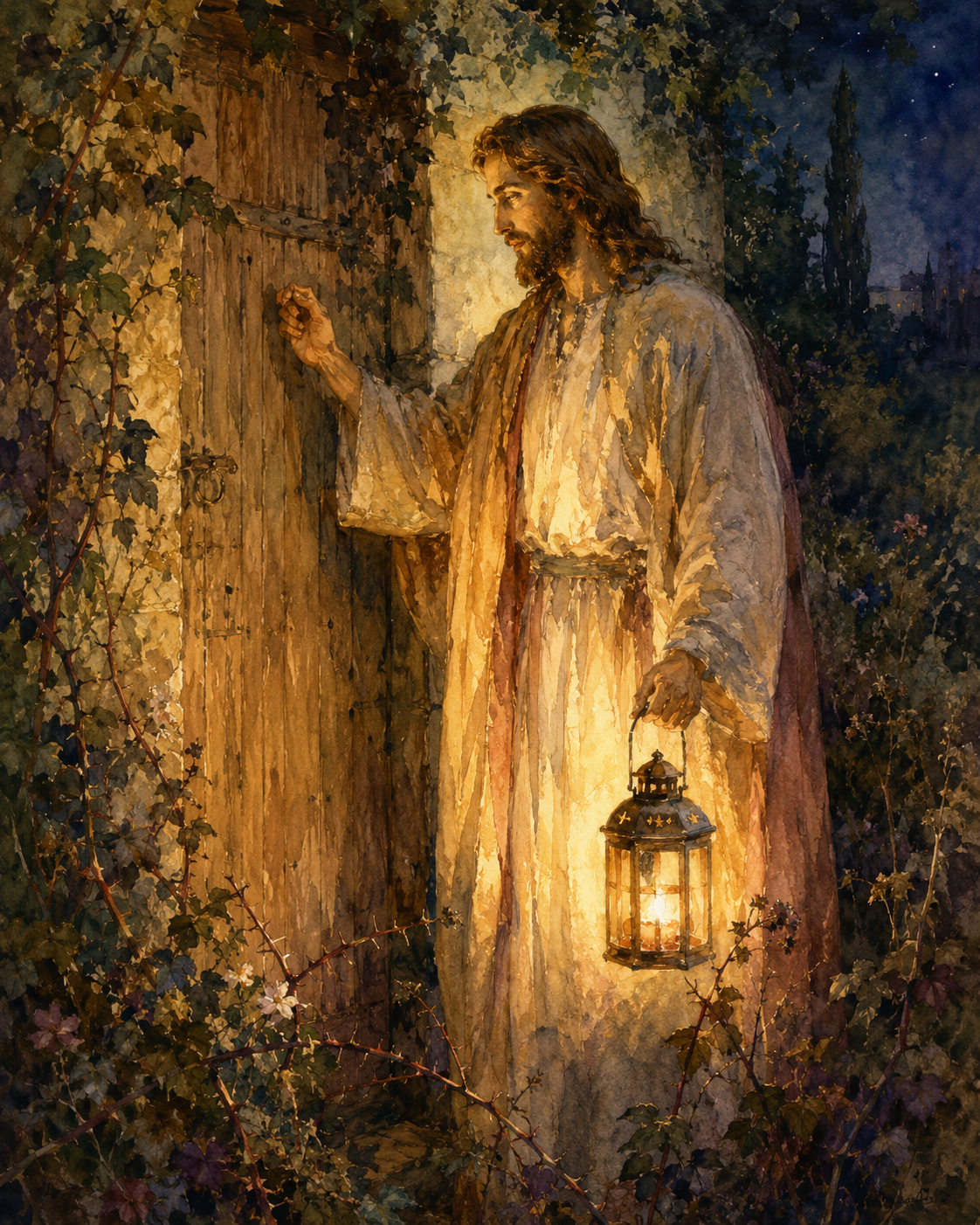
God is Still Gathering
Isaiah 56 answers a surprising question: Who gets gathered into the kingdom of God? God promises a future to the eunuch who believes he has none, a place to the foreigner who assumes he does not belong, and declares that there are still “others yet” whom he intends to gather. These promises point us toward Jesus Christ, in whom outsiders are welcomed, sinners are grafted into God’s people, and the weary find their true Sabbath rest. Once we realize that we ourselves have been gathered entirely by grace, we begin looking differently at the people around us and asking not “Who belongs?” but “Who’s next?”
The Lord Above the Storm
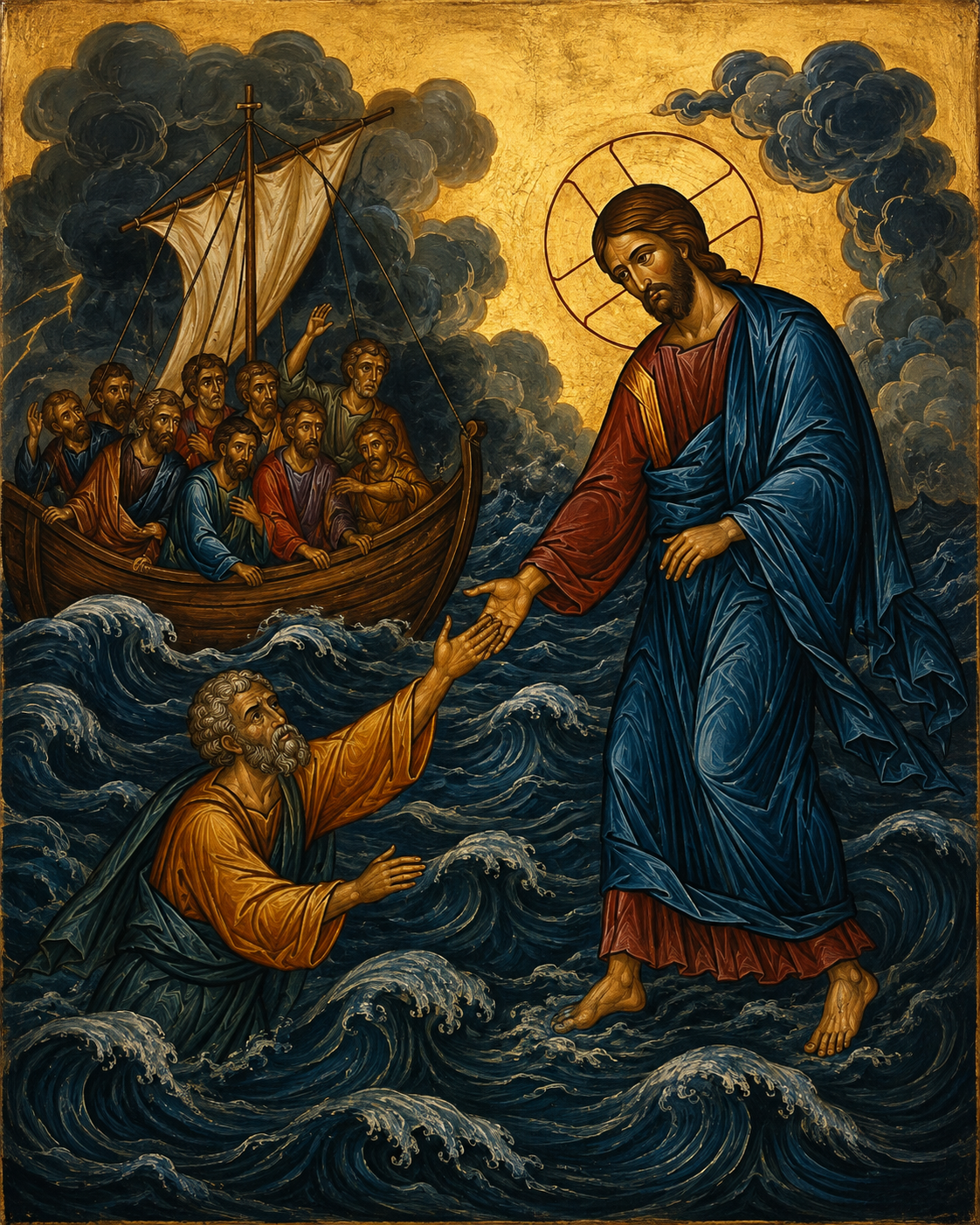
This sermon challenges the shallow picture of God often called Moralistic Therapeutic Deism and turns our attention to the true center of Matthew 14:22–33—Jesus Christ. By walking on the sea, declaring “I AM,” and receiving the disciples’ worship, Jesus reveals that he does what only God can do, says what only God can say, and receives what only God deserves. Even when Peter loses sight of Christ, Christ never loses sight of Peter, reaching out immediately when he cries, “Lord, save me.” The passage calls us to see Jesus as he truly is, call upon him in the storm, and worship him as Lord over every part of our lives.

Held by a Love That Will Not Let Go
Romans 8 confronts the fear that suffering, uncertainty, or loss might mean that God has stopped loving us. Paul does not deny the reality of hardship but declares that none of it can separate believers from the love of Christ. Christian victory does not always mean that our circumstances change; sometimes it means discovering that Christ will hold us securely within them. Because nothing in all creation can separate us from God’s love, we can face every burden with confidence, courage, and hope.

The Kingdom Hidden in Plain Sight
Jesus closes his teaching in Matthew 13 with five vivid pictures of the kingdom of heaven. The mustard seed and leaven teach us not to underestimate the kingdom, because God often begins with what appears small, hidden, and easily overlooked, yet his reign grows, spreads, shelters, and transforms. The hidden treasure and pearl of great price teach us not to undervalue the kingdom, revealing both its immeasurable worth and the joyful love of Christ, who gave everything—even his own life—to redeem his people and bring them into his reign. Finally, the parable of the net reminds us that the kingdom is moving toward a promised conclusion. History is not wandering without purpose: Christ will return, evil will be judged, and the presence of sin will finally be removed. Until that day, Christians are called to live as joyful citizens, faithful ambassadors, and farsighted people, trusting that God’s hidden work is neither weak nor wasted. The kingdom is growing; it is worth everything, and its King is coming.

The Patient Kingdom
Jesus often described God's Kingdom through stories rather than lectures because stories reach both the mind and the heart. In the Parable of the Wheat and the Weeds, Jesus reminds us that God's kingdom doesn't arrive with spectacle but quietly, like a seed planted in a field. While evil continues to exist alongside God's work, Christ calls His followers to trust His wisdom and timing.
This sermon explores three encouraging truths about the Kingdom of Heaven. First, God's kingdom begins quietly through ordinary people and faithful obedience. Second, God's kingdom grows patiently because His delayed judgment reflects mercy, giving people time to repent and come to Christ. Finally, the kingdom will one day be gloriously revealed when Jesus returns, evil is finally defeated, and God's people shine in His everlasting kingdom.
For Christians living in a broken world, this parable offers hope rather than fear. Though injustice, suffering, and evil remain real, they will not have the final word. Jesus reigns even now, and history is moving toward the day when His kingdom will be fully revealed. Until then, His people are called to live faithfully, shine brightly, and pray with confidence, "Your kingdom come."
Those Who Have Ears: Hearing the Word of the Kingdom
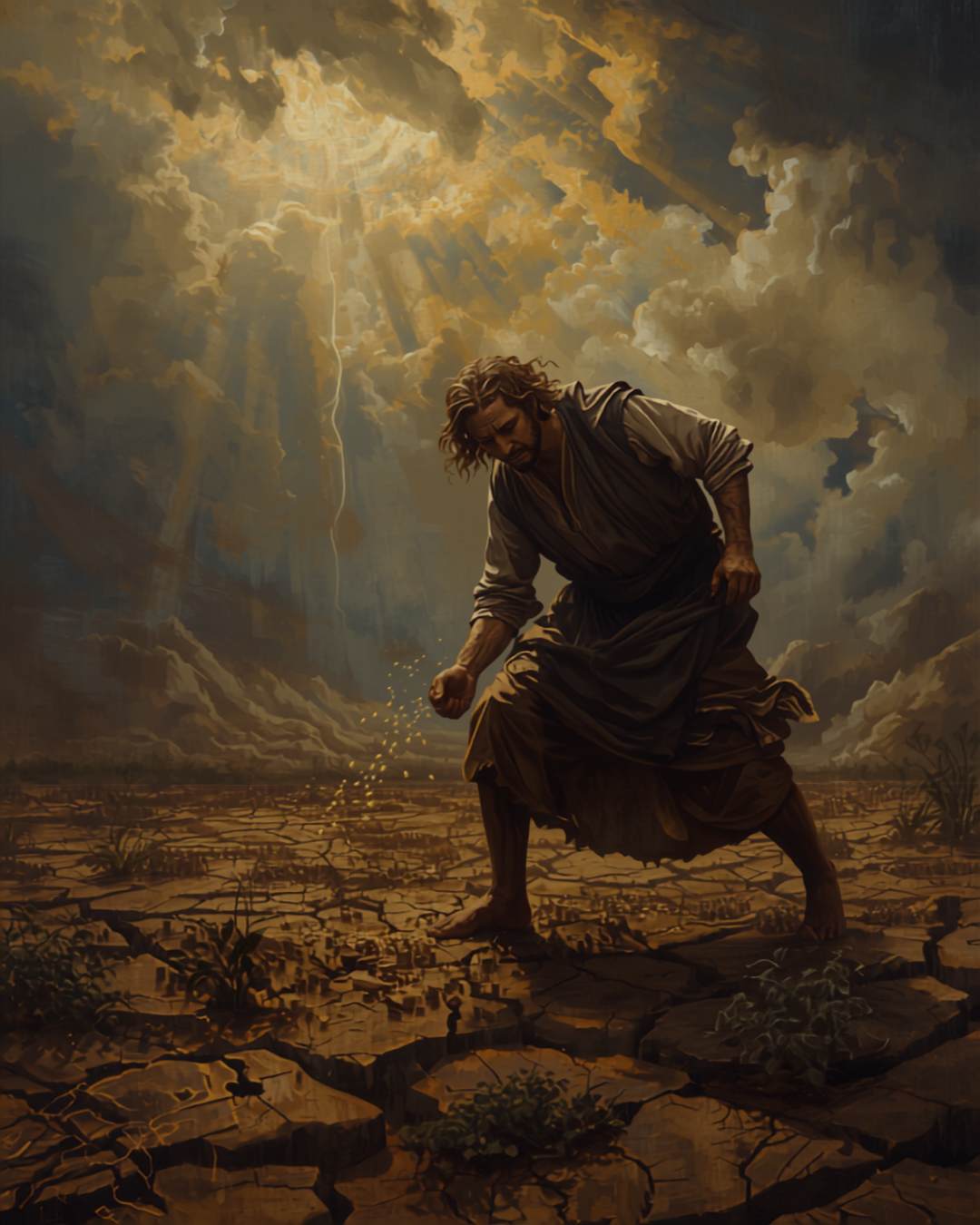
Jesus begins His teaching on the Kingdom by telling a story that leaves everyone confused until He explains it Himself. The Parable of the Sower is less about identifying four different kinds of people than recognizing the different ways God's Word encounters our own hearts. Rather than labeling ourselves or others, Jesus calls us to continually become receptive soil that bears lasting fruit. The Christian life begins and grows through learning to hear the Word with attentive hearts.

Rest for Restless Hearts
Every person knows the tension of wanting to do what is right while struggling with the reality of sin and a divided heart. In Romans 7, Paul honestly describes this inner conflict and cries out for deliverance. Jesus answers that cry in Matthew 11 by inviting weary and burdened people to come to him for rest. True rest is found not in achievement, entertainment, or escape, but in continually returning to Christ, who is gentle and lowly in heart.
The Cost of Following Jesus, the Joy of Belonging to Him
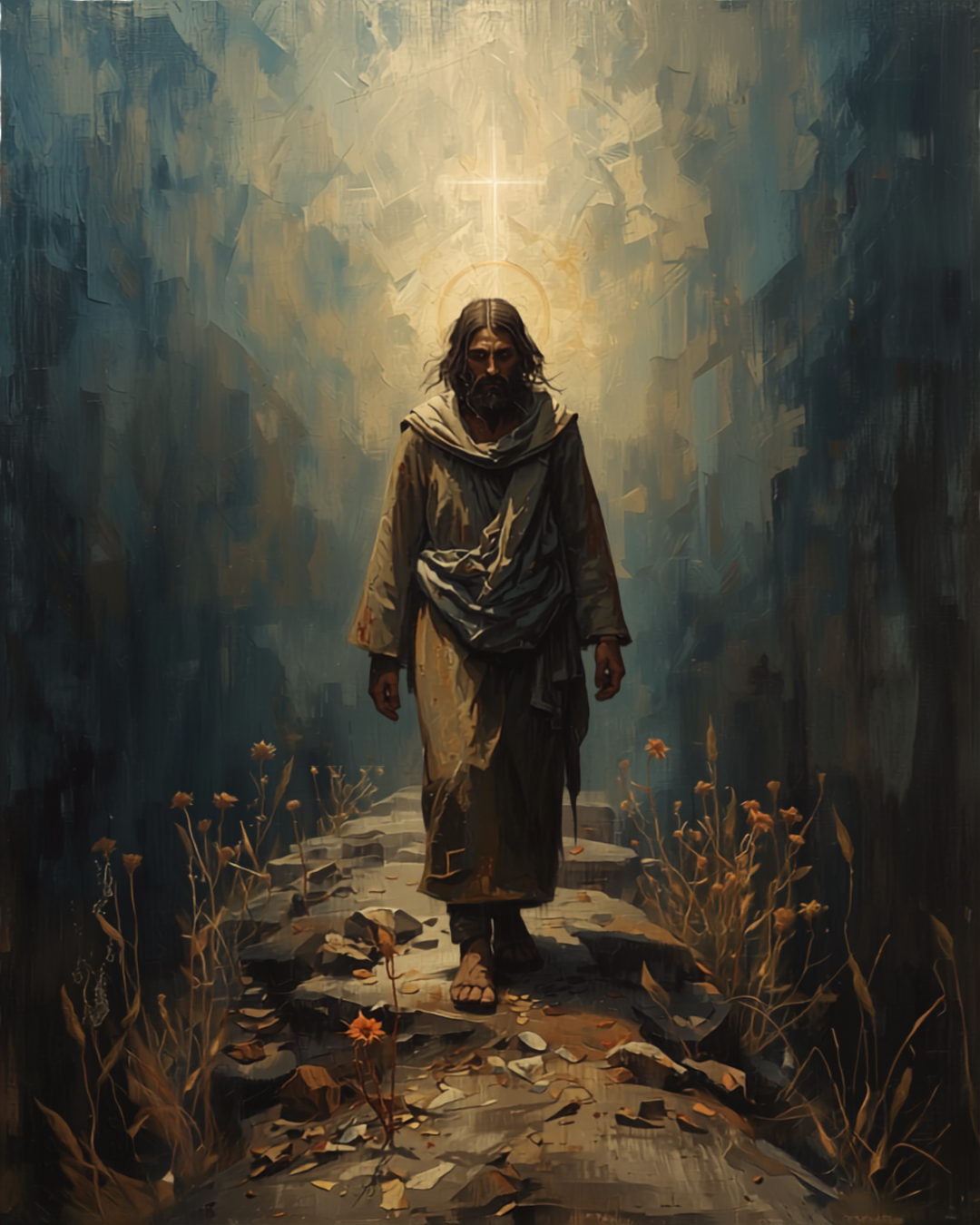
Jesus refuses to offer a "too-good-to-be-true" version of discipleship. He warns that following him may bring division, even within our closest relationships, because allegiance to Christ ultimately supersedes every other loyalty. Yet Jesus also teaches that rightly ordered love does not diminish our love for others but enables us to love them more faithfully. As we surrender ourselves to Christ and receive others in his name, we discover the abundant life found only in his Kingdom.

Rejoicing Again: Finding Joy in the Grace of God
Romans 5 reveals the joyful reality of the Christian life flowing from God's grace. Because we have been justified by faith, we now have peace with God through Jesus Christ. Even suffering becomes a place where God forms endurance, character, and hope. Above all, believers rejoice because they are fully known, deeply loved, and eternally reconciled to God through Christ.
The Blessing Is the Relationship
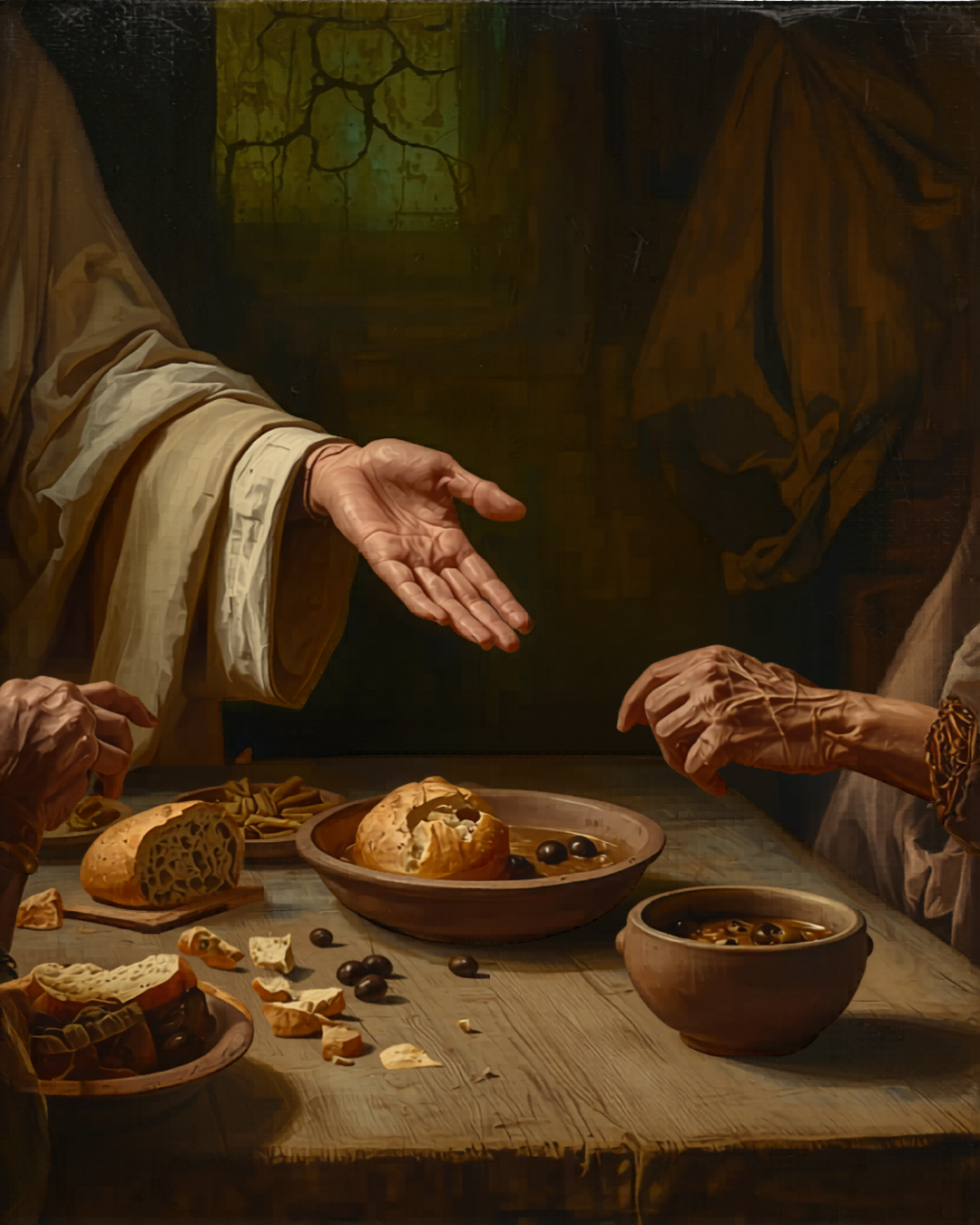
Many people approach God transactionally, assuming that if they perform the right religious actions, God is obligated to bless them. Through Hosea, God exposes the shallowness of a faith that relies on ritual while neglecting genuine love and knowledge of Him. Jesus reinforces this truth when He quotes Hosea to the Pharisees and welcomes sinners into fellowship with Himself. The great blessing of Christianity is not the benefits God gives but the relationship He offers through Christ.
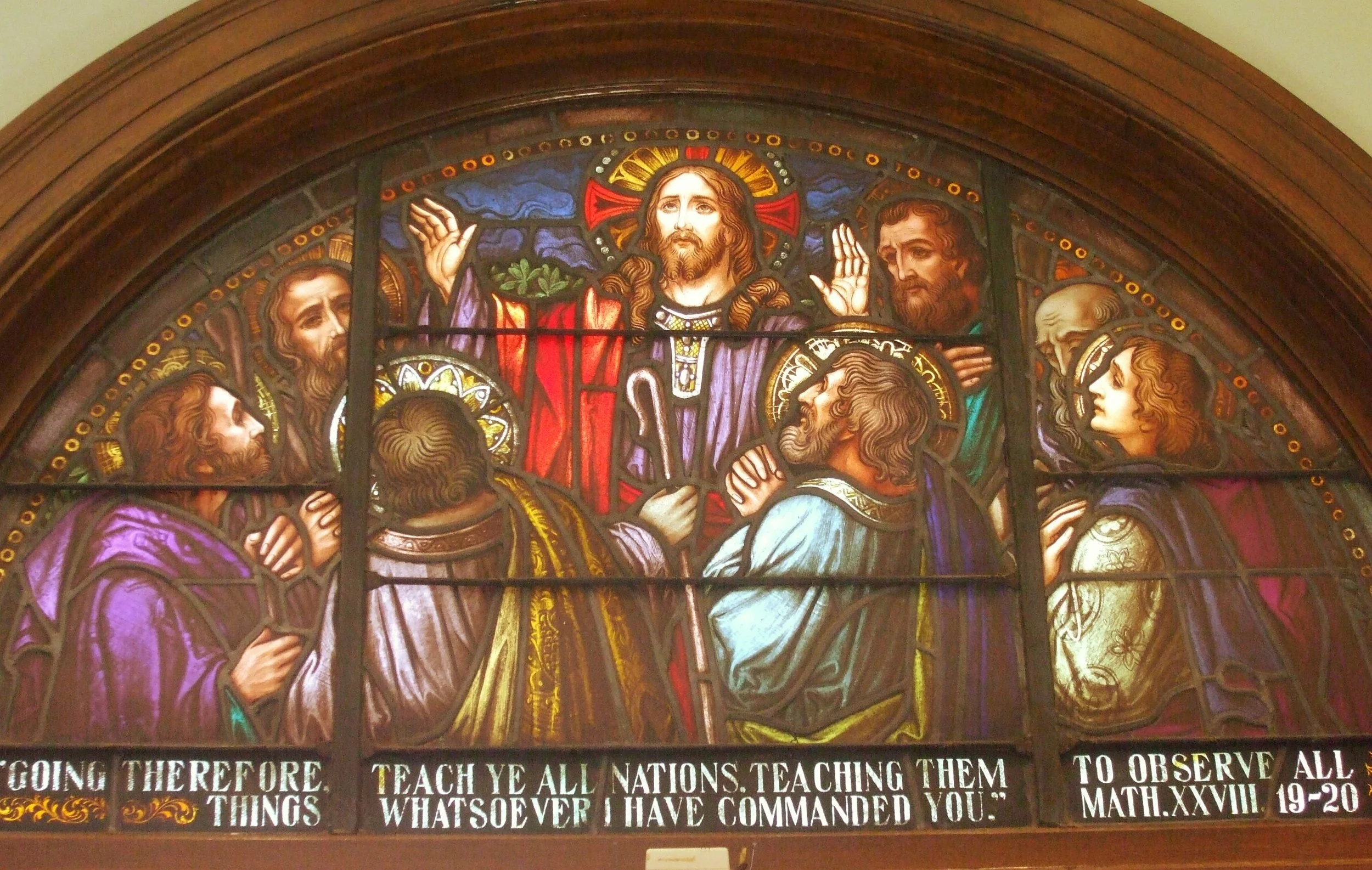
Trinity Sunday: The Last Words That Send Us
Jesus’ final words in Matthew’s Gospel are not merely instructions; they are a commission rooted in worship, authority, and presence. The disciples worship the risen Christ even while some wrestle with doubt, reminding us that faith and doubt often coexist. Jesus sends his people into the world under his authority to make disciples, baptize, and teach others to live in the ways of the kingdom. Trinity Sunday reminds the church that the story of Jesus now becomes the story of the church as we live out the kingdom in ordinary time.
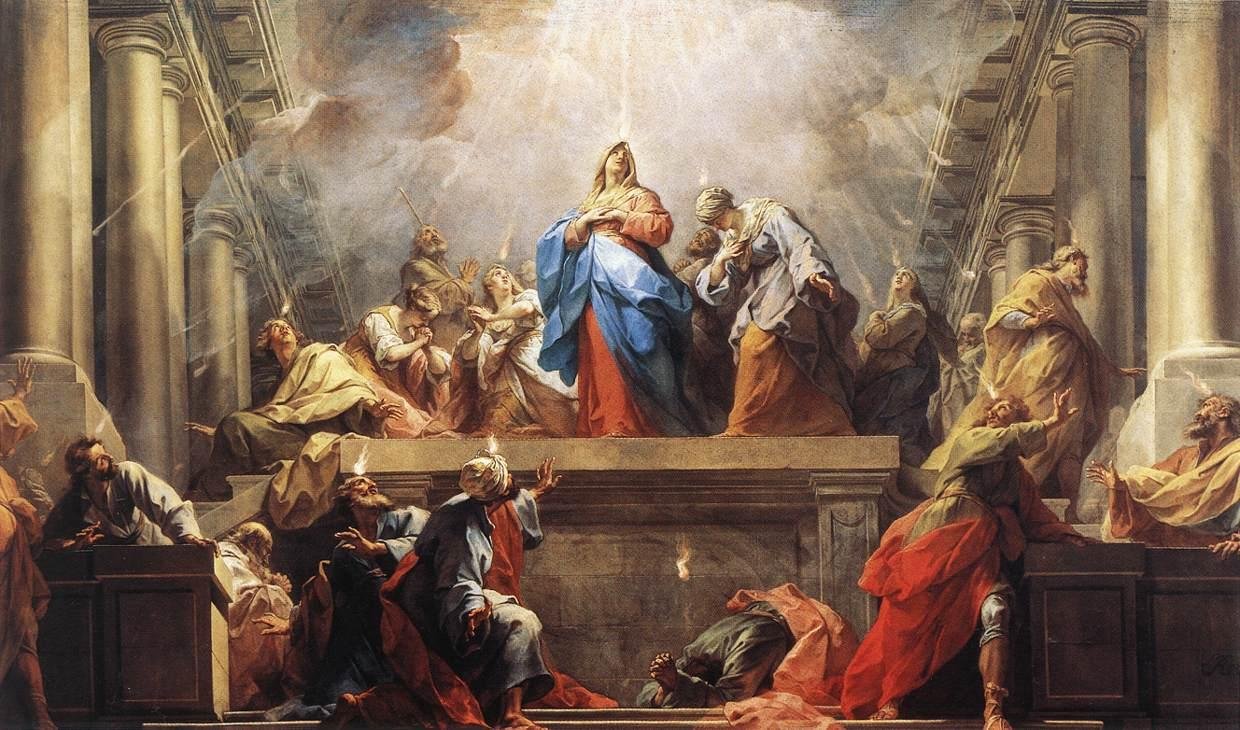
Come Holy Spirit
Pentecost celebrates the outpouring of the Holy Spirit fifty days after Passover, when God gathered the nations and filled believers with his presence. This sermon explores the identity of the Holy Spirit through the words “The,” “Holy,” and “Spirit,” revealing him as the unique and divine third person of the Trinity. The Holy Spirit’s primary work is to shine a spotlight on Jesus Christ and draw people into the kingdom of God. Because the Spirit dwells with believers and changes hearts, Christians can live with courage, pray boldly, and continually ask, “Come Holy Spirit.”
The Good Life in the Furnace
We all have a vision of the “good life,” but most definitions leave no room for suffering. Peter tells us not to be surprised by trials, but to see them as part of following Christ in a fallen world.
Suffering is not meaningless—it is often the result of a world shaped by choice, yet redeemed by Christ who entered into our pain. As believers, we entrust ourselves to God in suffering, allowing it to produce steadfastness, and we sustain one another through practices like singing truth together.
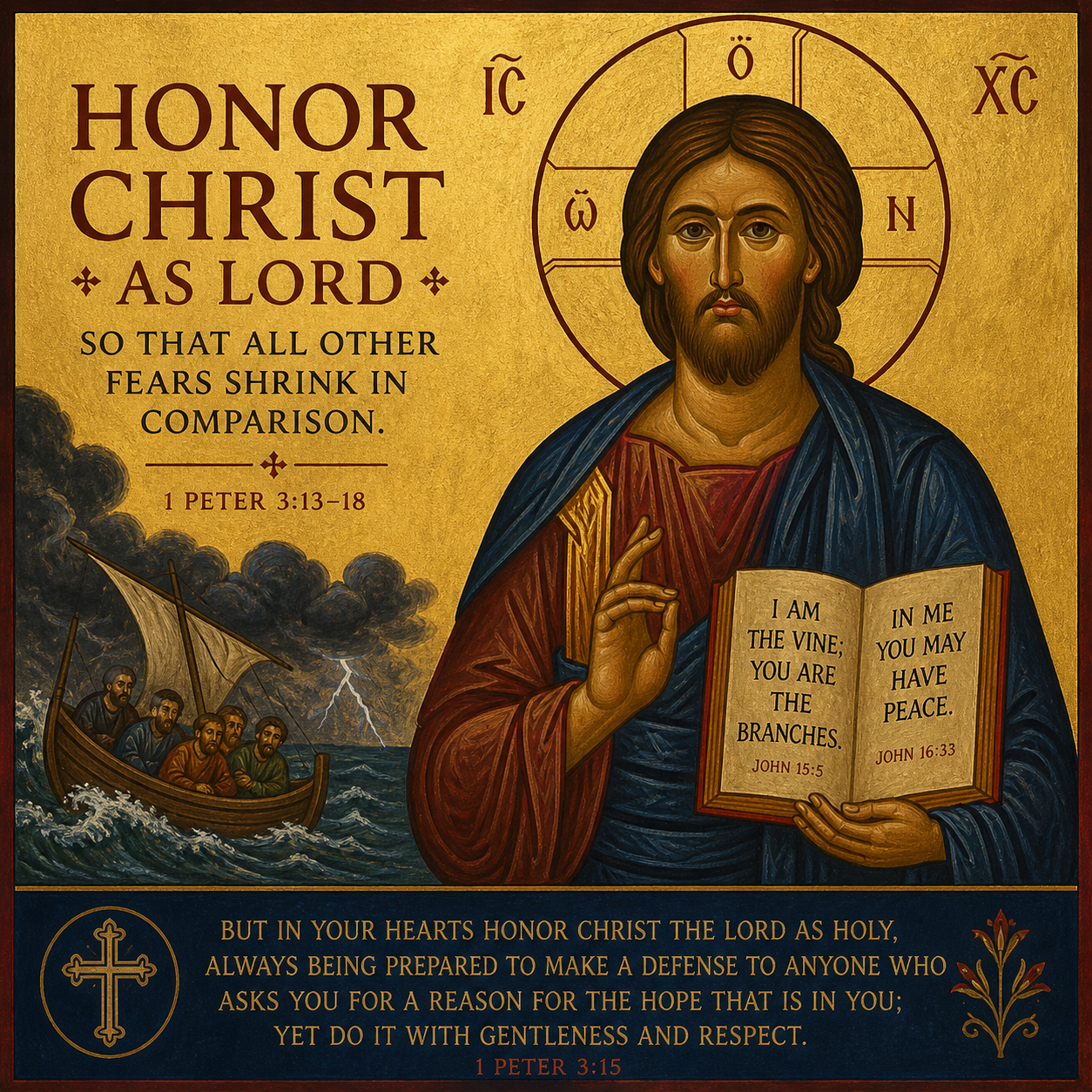
Honoring Christ in a Fearful World
Fear grows when it becomes the focus of our hearts, and simply trying to suppress it rarely works. Peter redirects us to something greater: honoring Christ as Lord so deeply that our fears lose their power. As we truly know Him, revere Him, and abide in Him, our lives begin to reflect a steady, hopeful courage. This kind of life becomes a compelling witness to the world, rooted in the finished work of Christ who suffered for us and overcame the world.
Kingdom People in a Foreign Land
Peter reminds believers that their identity is not rooted in culture, performance, or personal history, but in God’s choosing and Christ’s work. As followers of Jesus, we live as exiles—fully present in the world but ultimately belonging to another kingdom. This identity shapes our mission: to live distinct, honorable lives among others. Through everyday faithfulness, we become a visible witness to the goodness and glory of God.
The Aroma of Christ: Ordering Our Lives in a Disordered World
Peter calls Christians to live visibly distinct lives in a hostile culture by willingly ordering themselves under authority for the sake of Christ. This “submission” is not blind obedience but a gospel-shaped posture that reflects Jesus in every sphere—government, work, and marriage. Through doing good, enduring unjust suffering, and displaying inner holiness, believers silence criticism and point others to Christ. Ultimately, our lives are meant to carry the “aroma of Christ” so that the watching world is drawn to Him.